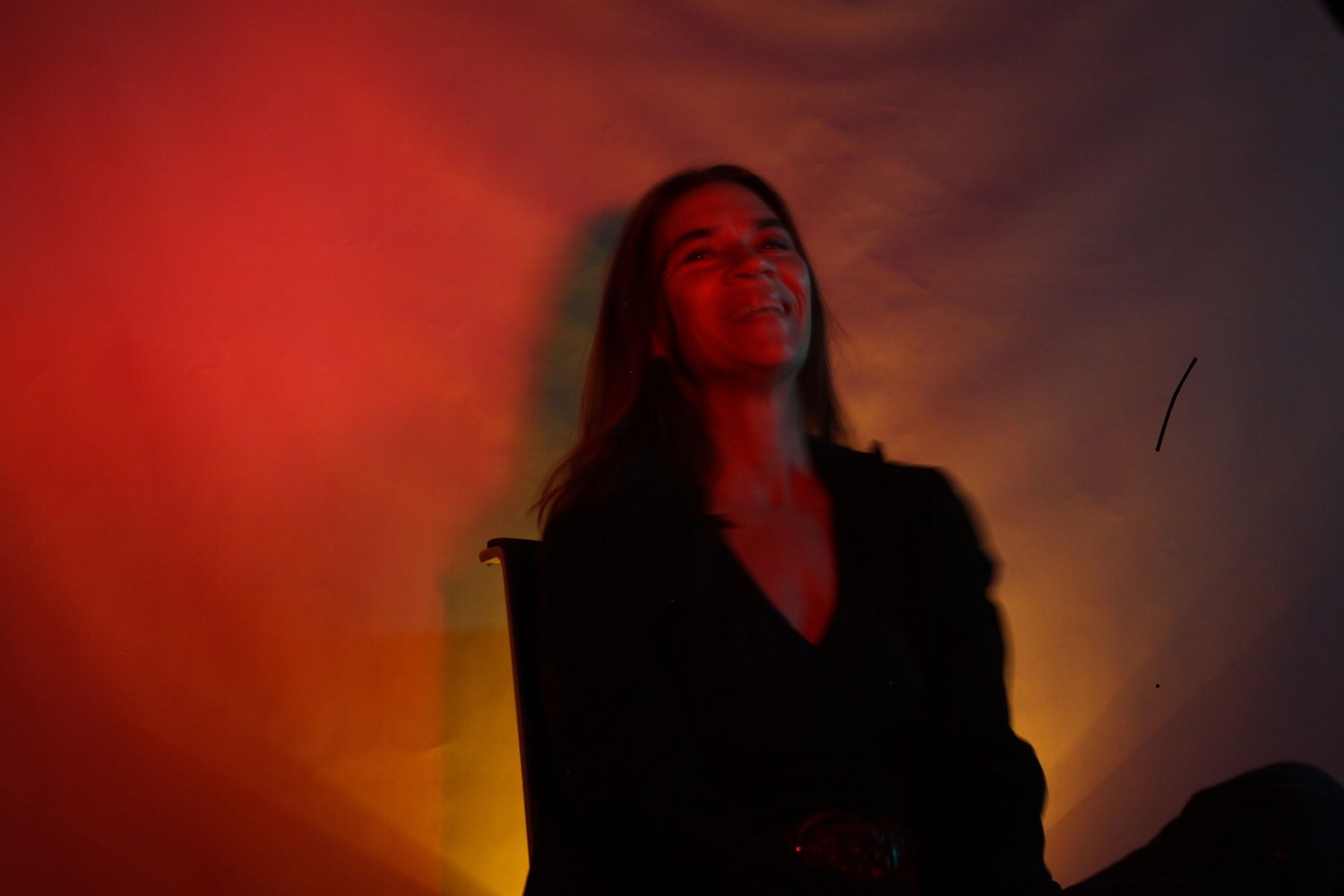
Housing Fever Dreams
Across sequential, color-flooded canvases, repeated architectural saltbox grids map the fraught territory of the American neighborhood. Rooted in something like the vernacular houses my grandfather built across Mobile, Alabama seventy-five years ago, the housing forms this series trots out are less about singular architectural expressions and more of a textual grid; a shorthand for community, neighborhoods, and housing at its more essential and essentially collective level.
Saturated acrylics, industrial spray paint, foil, and glitter collide against the rigid geometry of the subdivision. Borrowing the aspirational, pseudo-pastoral naming conventions of corporate tract housing and mapping them against intuitive color fields, the work explores the friction between late-capitalist land commodification and the messy, living communities that inhabit it-spaces of birth, decay, flora, fauna, and collective survival.
At times, in process, they are simply a meditation on memory and childhood: place, space, and collectivity; weather, time, materiality, and being.

Sunshine Prana Village 60 x 48 Acrylic, spray paint, and glitter on canvas 2022
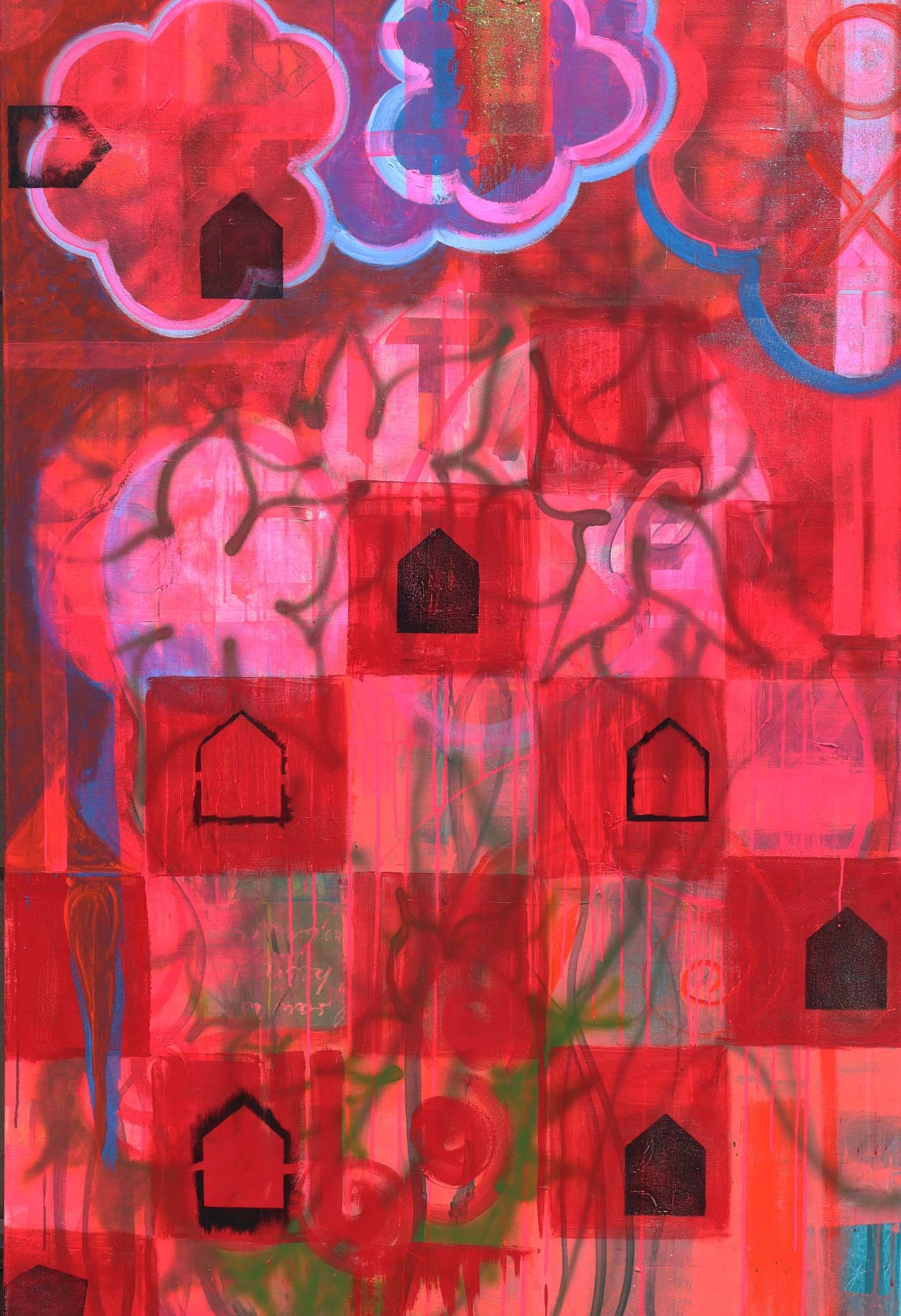
New Death Gardens 60 x 48 Acrylic, spray paint, and glitter on canvas 2020

Golden Acres 72 x 48 Acrylic on canvas 2019
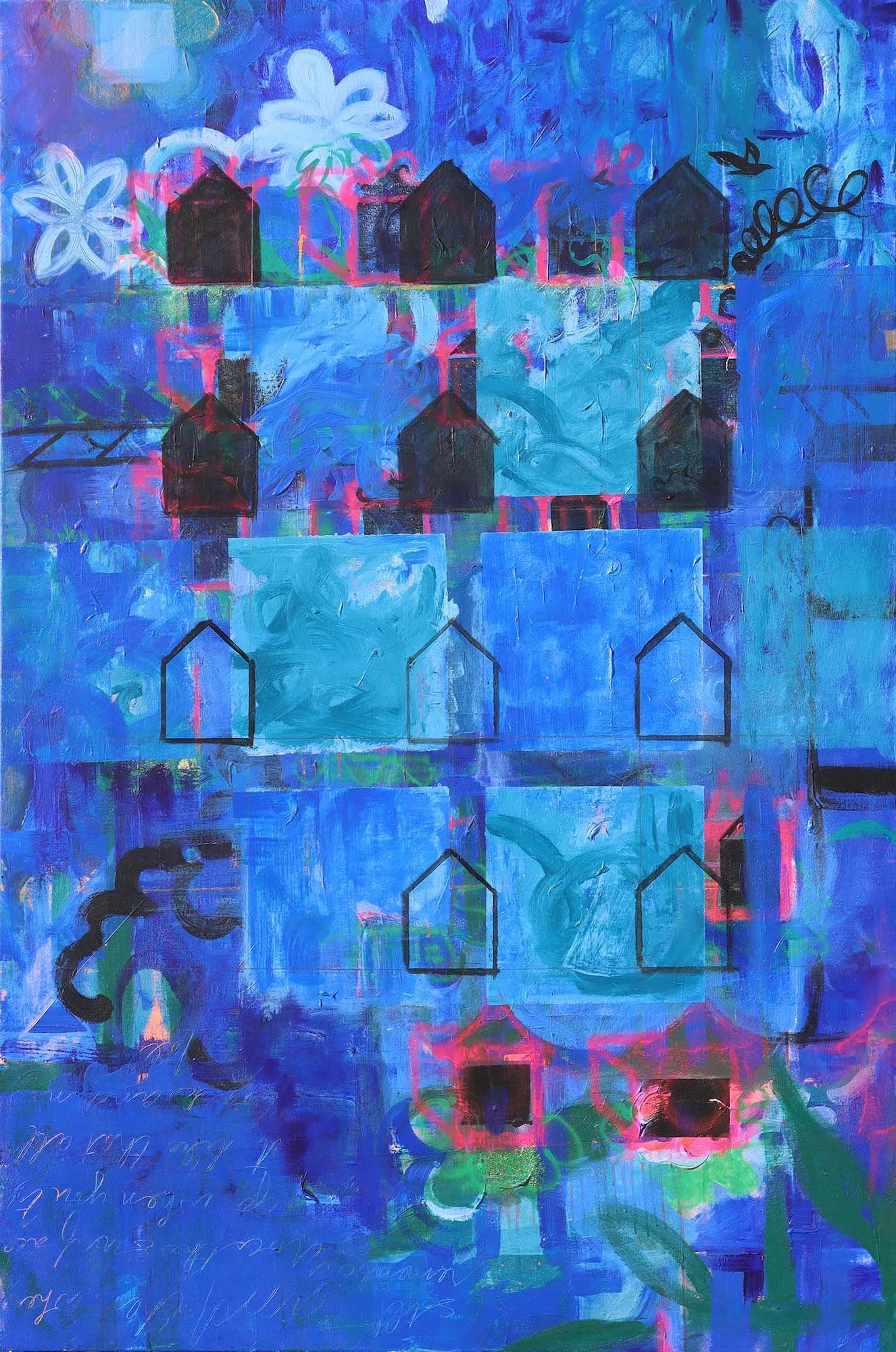
Blue Velvet 60 x 72 Acrylic and spray paint on canvas 2022
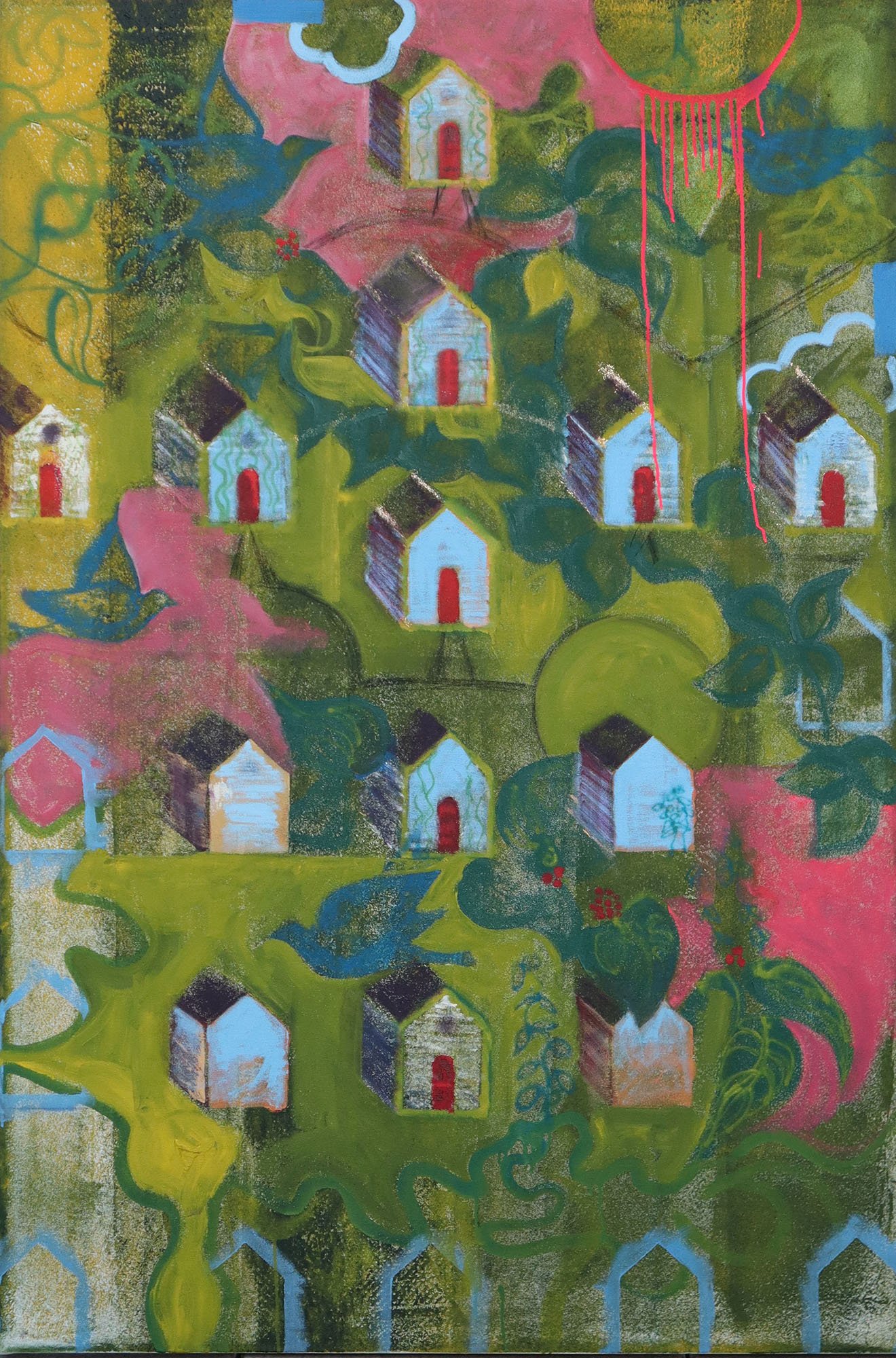
Emerald Village 60 x 48 Acrylic, spray paint, and glitter on canvas 2022
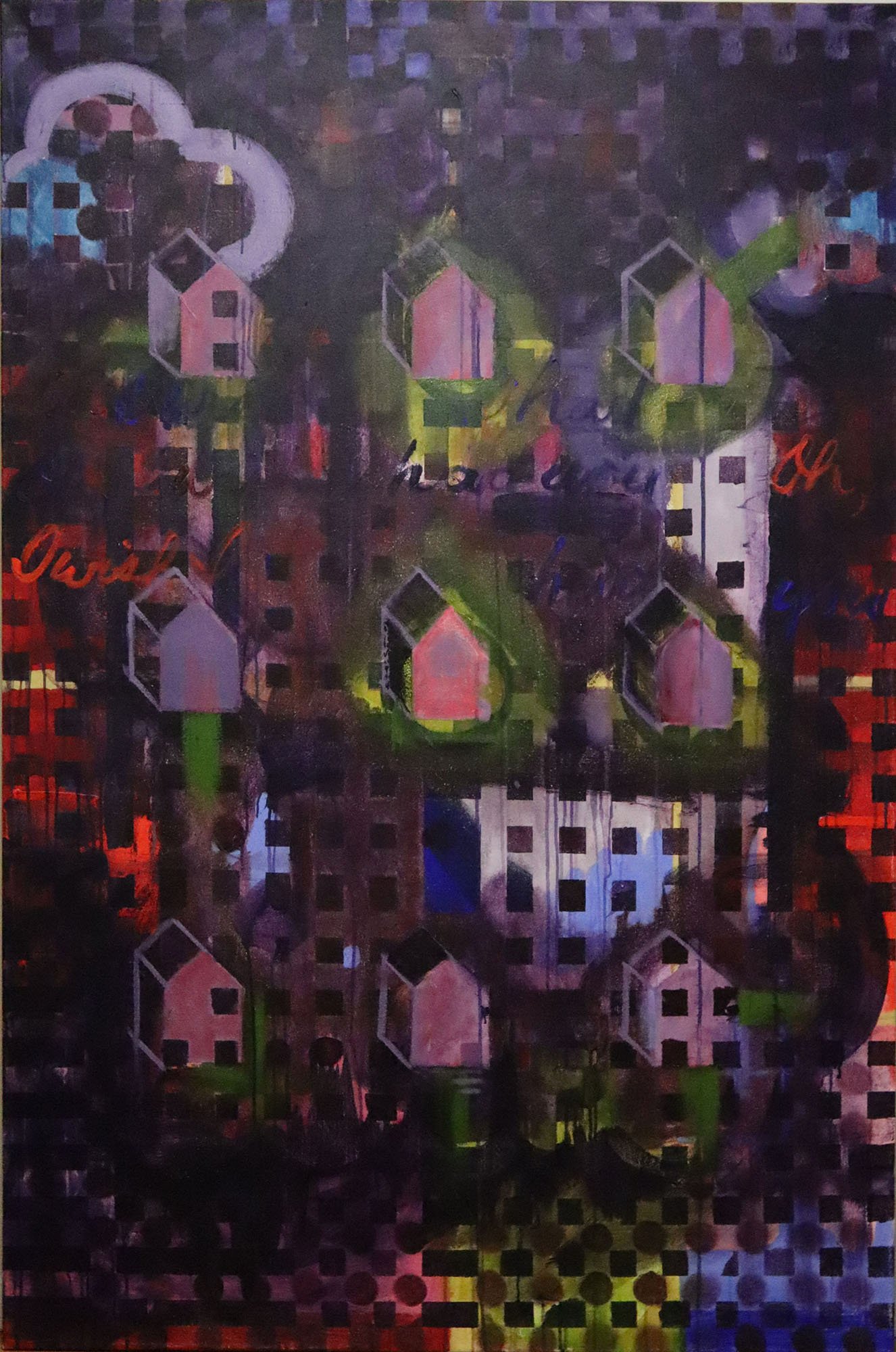
Purple Haze 60 x 48 Acrylic and spray paint on canvas 2022
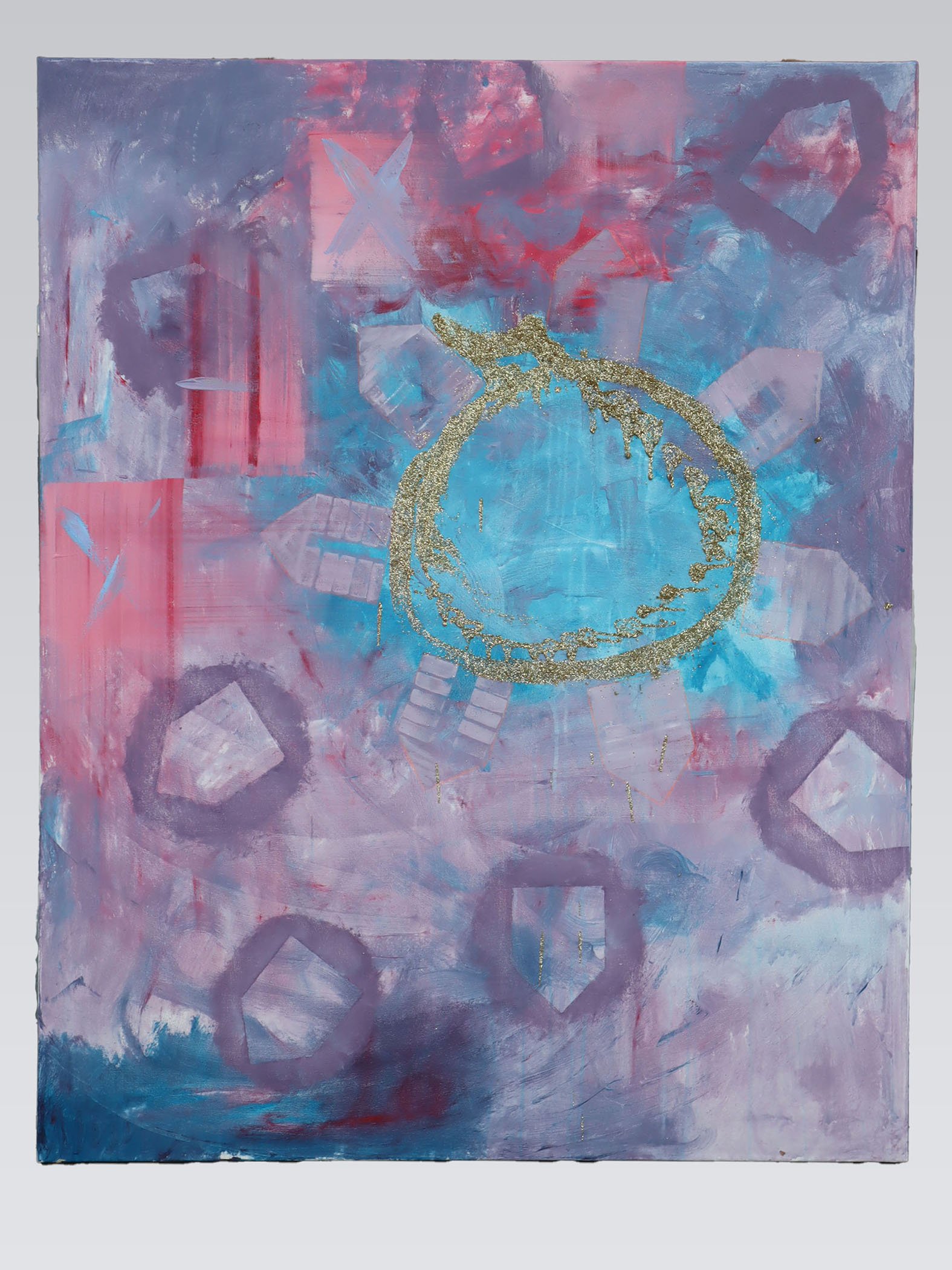
Opal Terra 60 x 48 Acrylic and glitter on canvas 2023
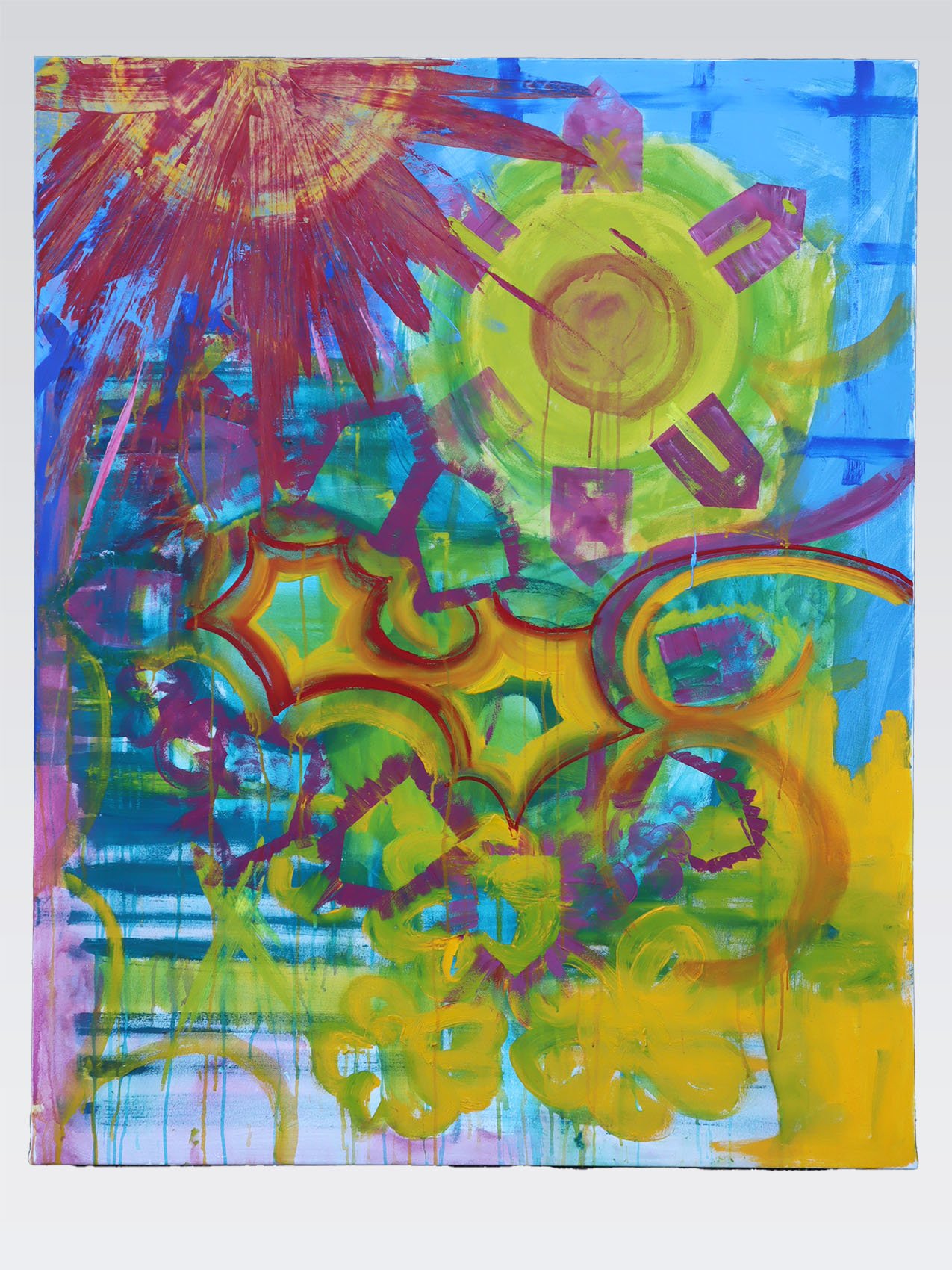
Fuchsia Sunset Village 60 x 48 Acrylic on canvas 2023
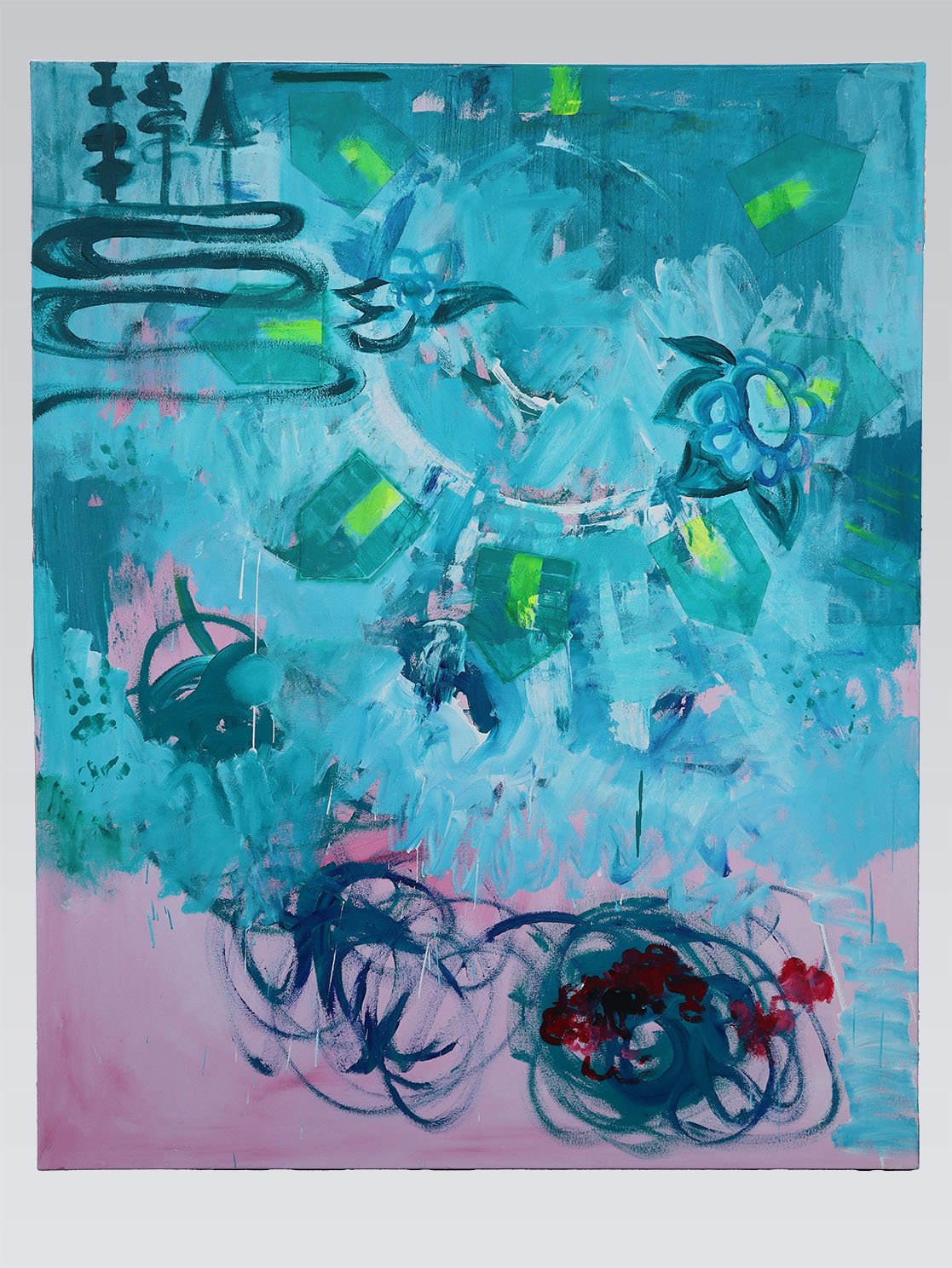
Leonardo's Ocean Grove 60 x 48 Acrylic on Canvas 2023
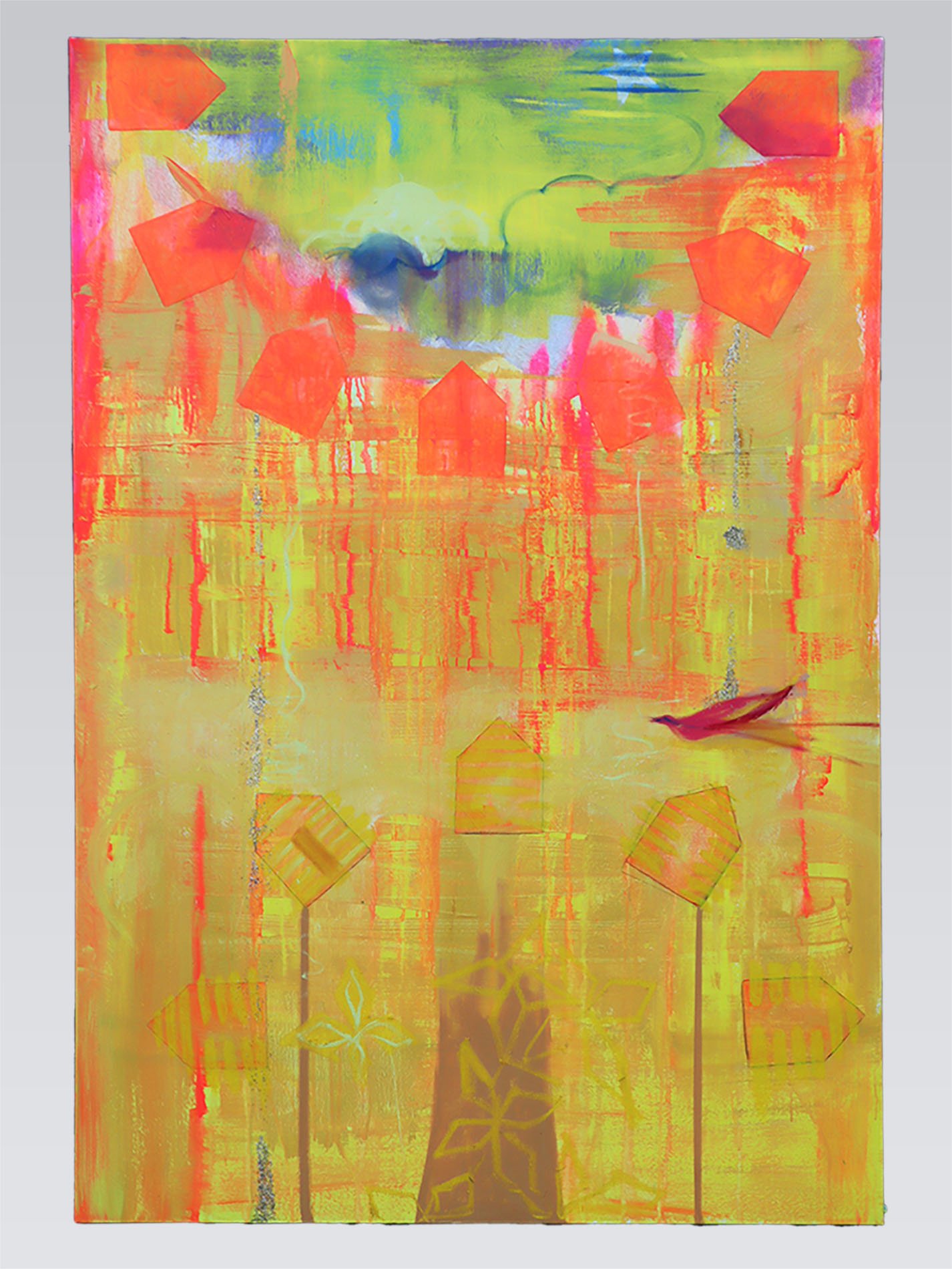
Coral Oaks 72 x 48 Acrylic and glitter on canvas 2023
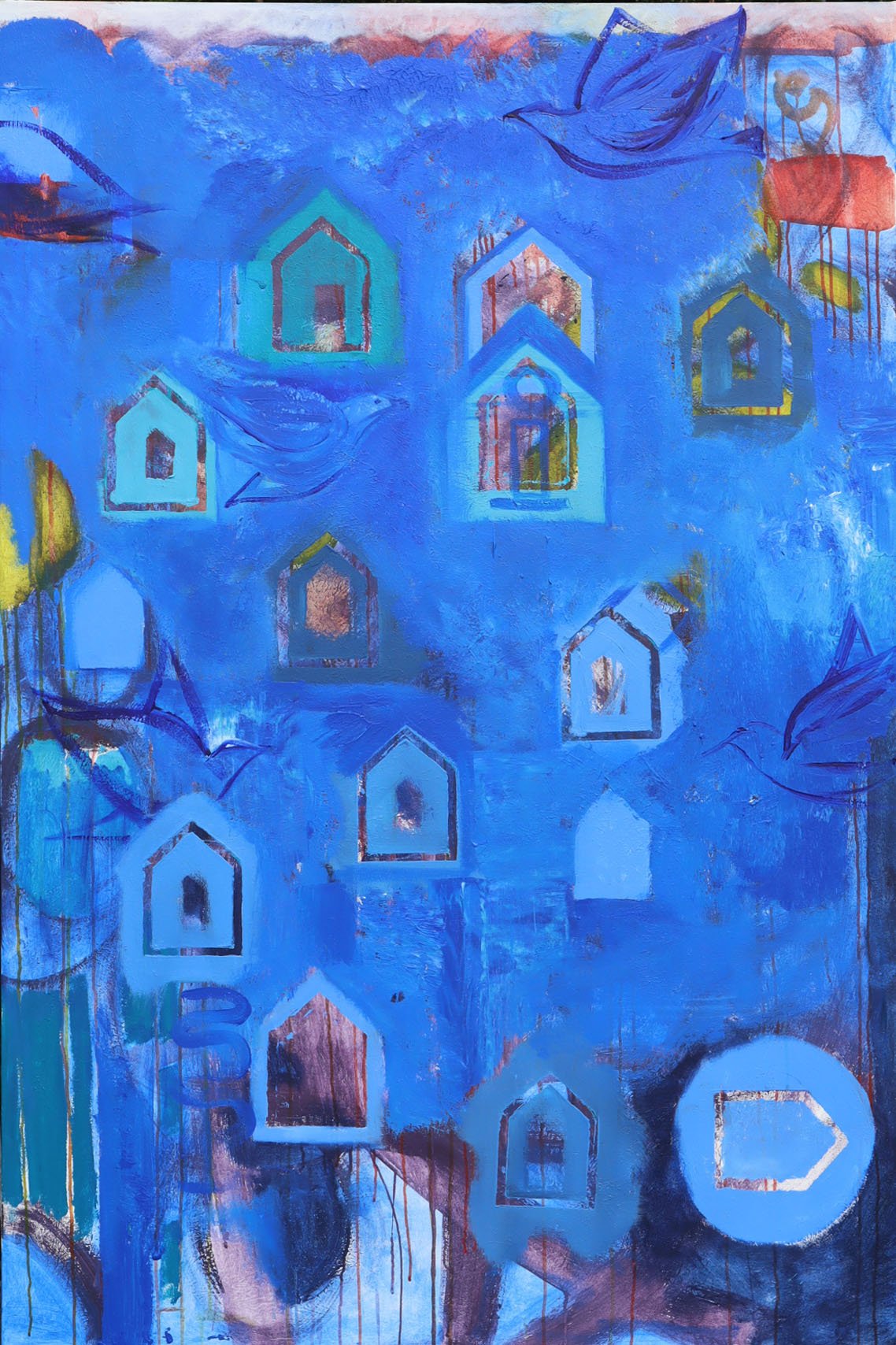
"Vishudhatown" 72 x 48 Acrylic on canvas 2024
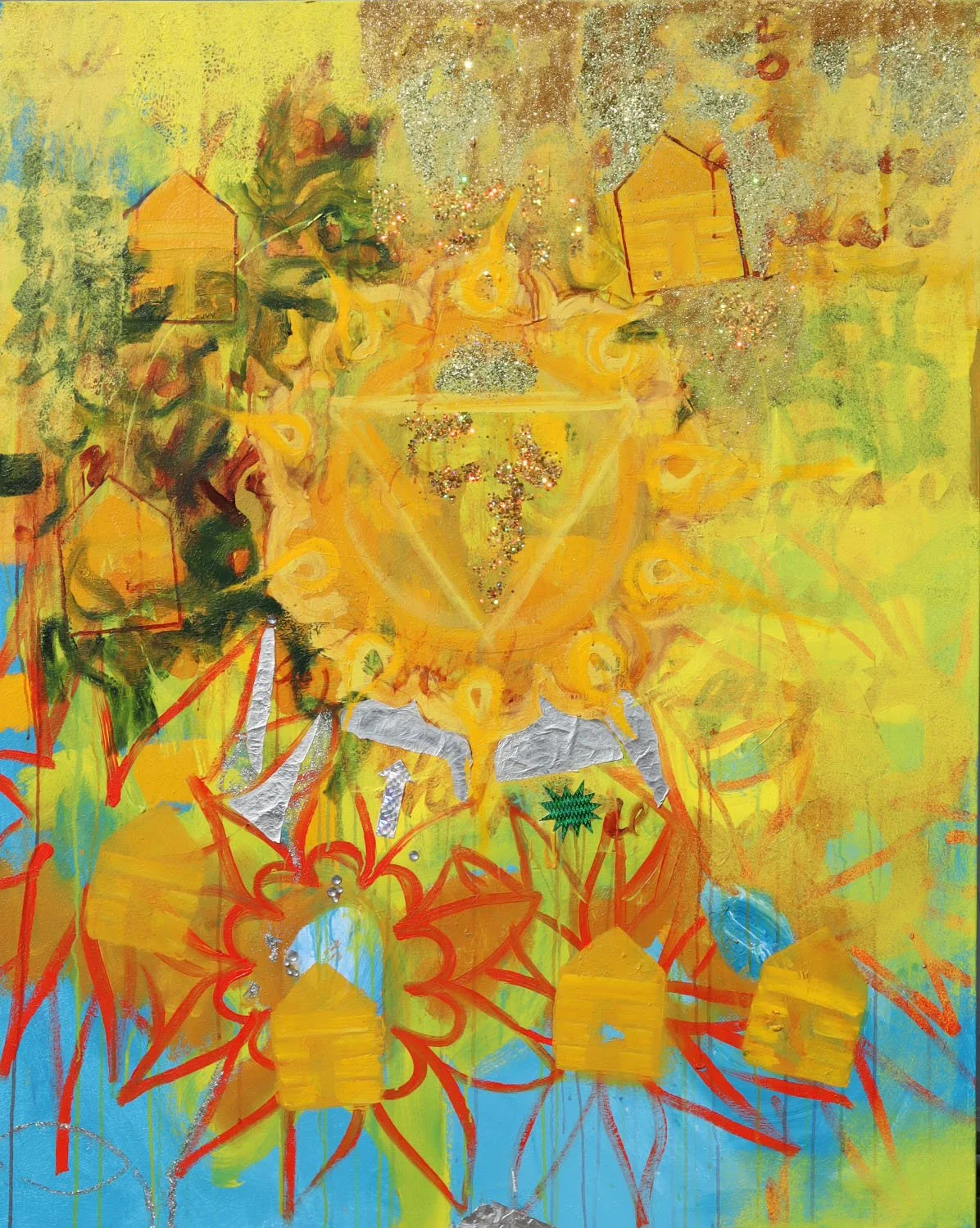
"Manipura Hollow" 60 x 48 Acrylic and mixed media on canvas 2024
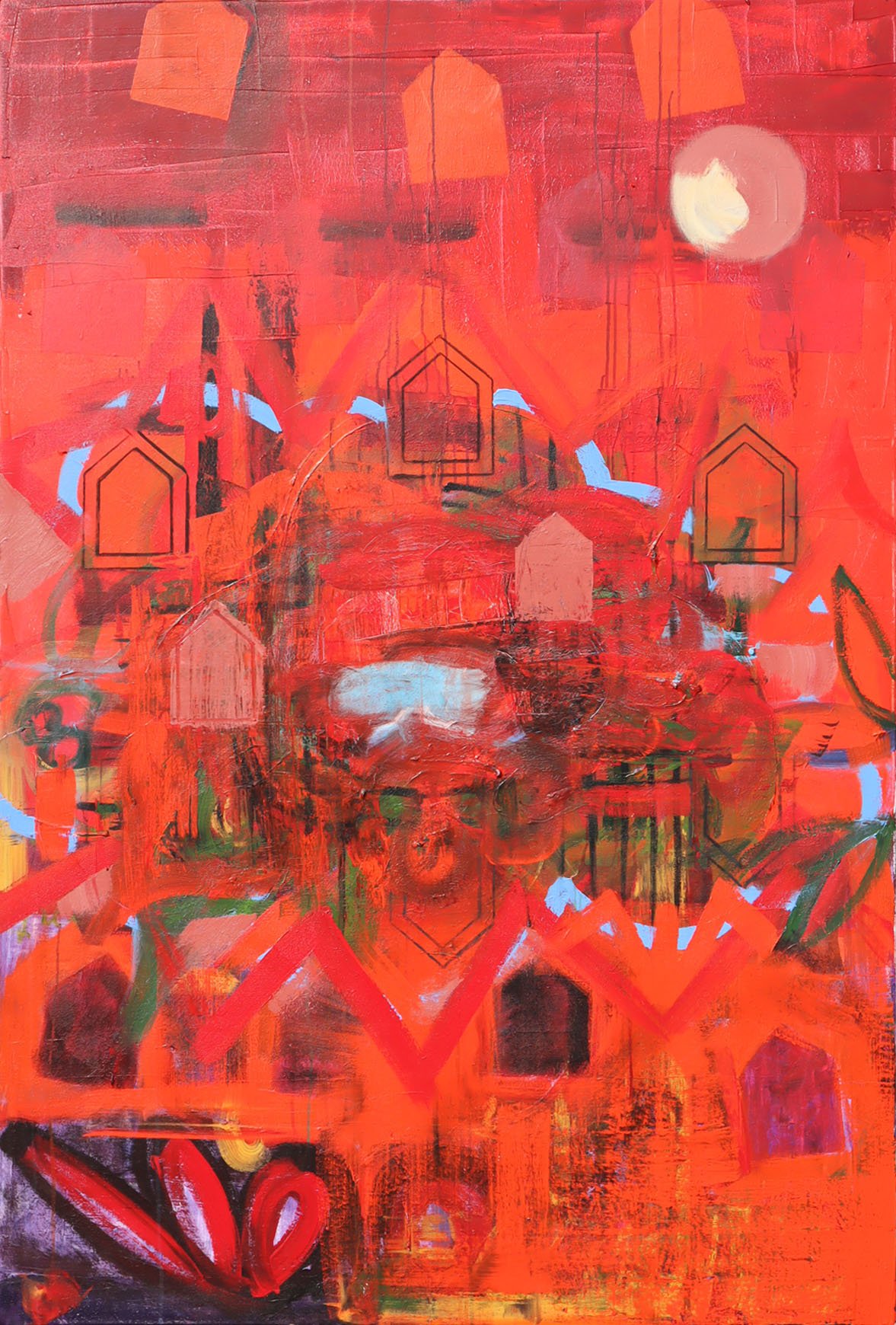
"Muladhara Junction" 72 x 48 Acrylic on canvas 2024
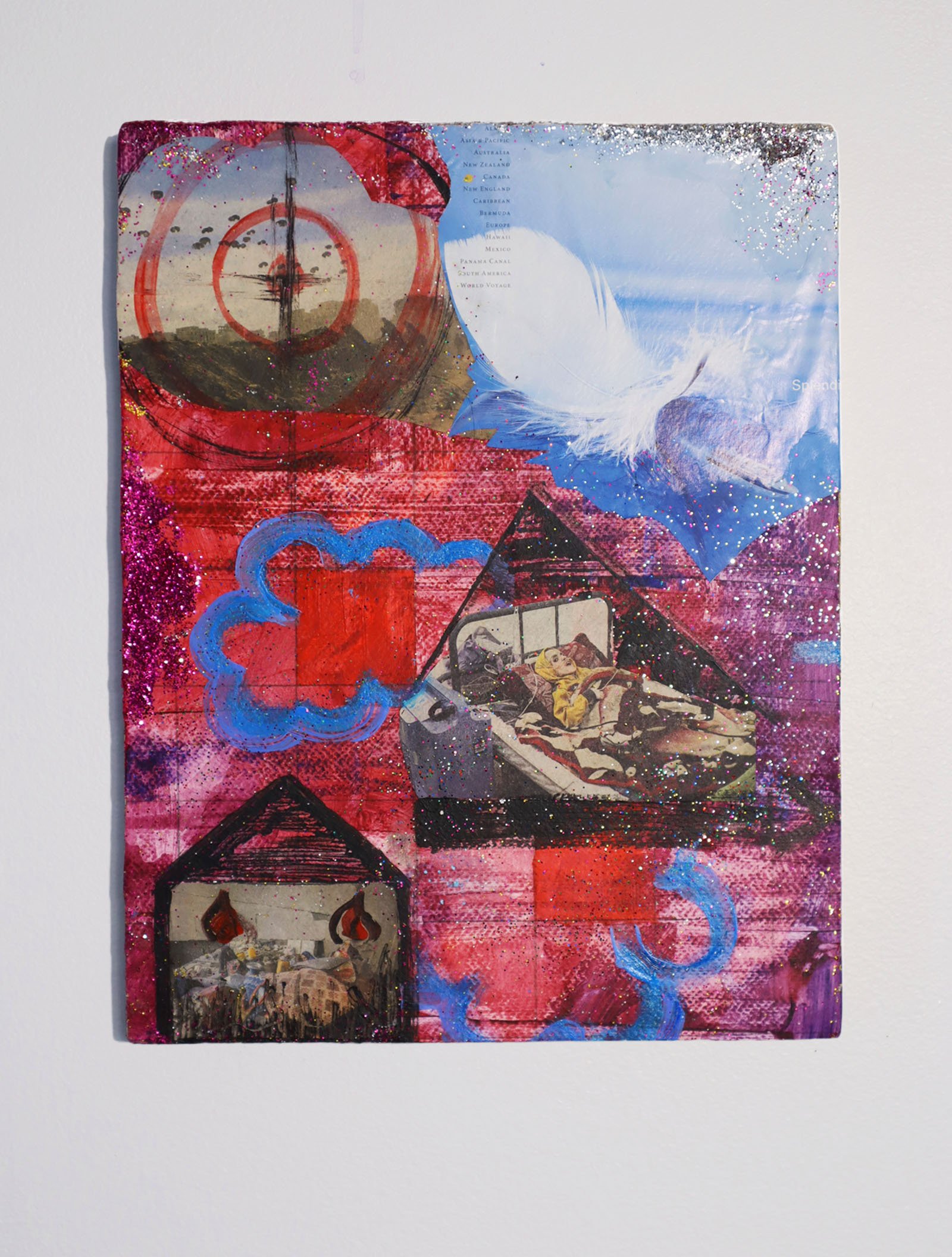
"You, Me, and the Seven Wondrous Seas" Acrylic and collage on wood 8 x 11 2024
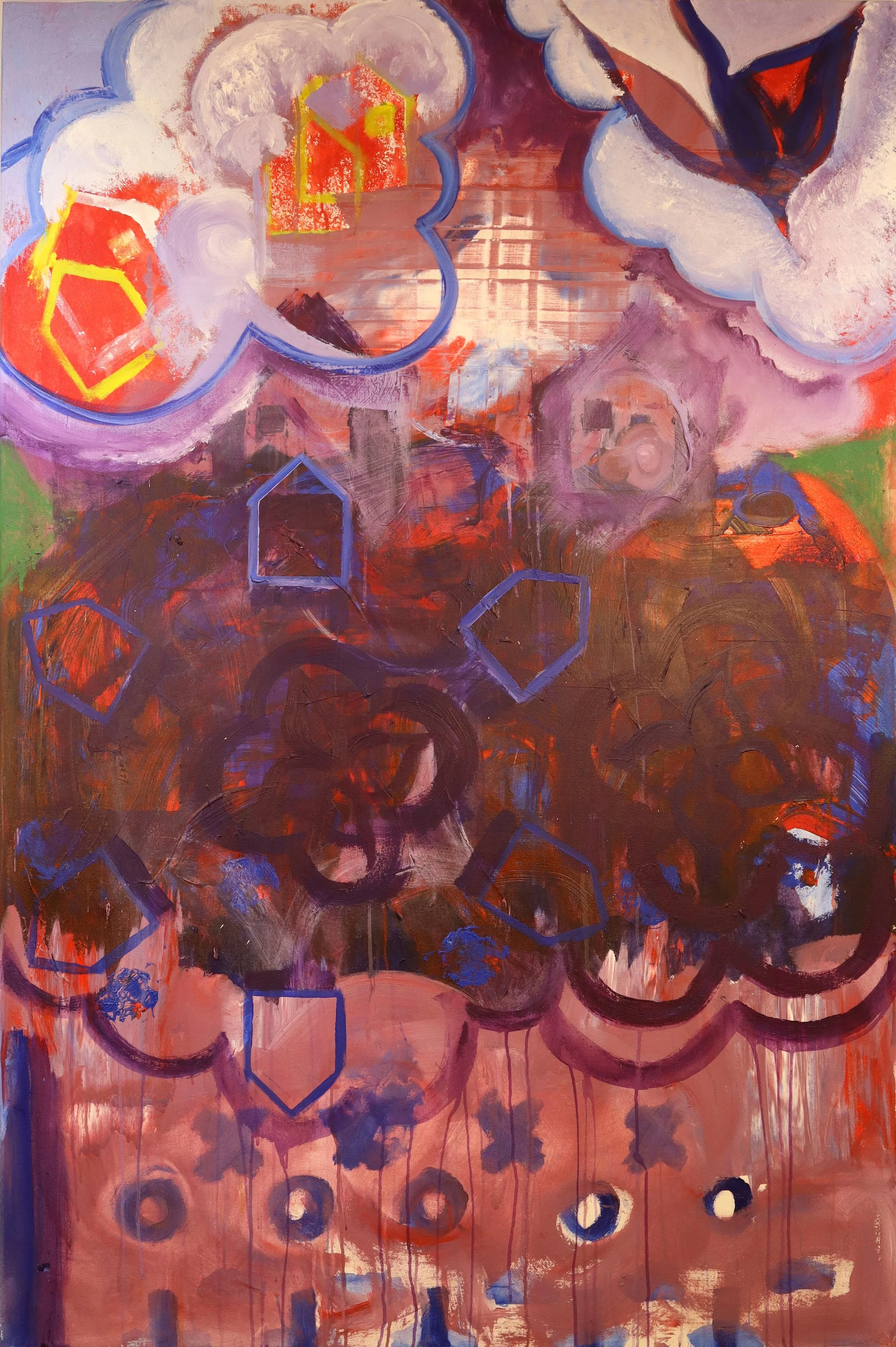
Sahasrara Houses, 72 x 48, acrylic on canvas, 2025
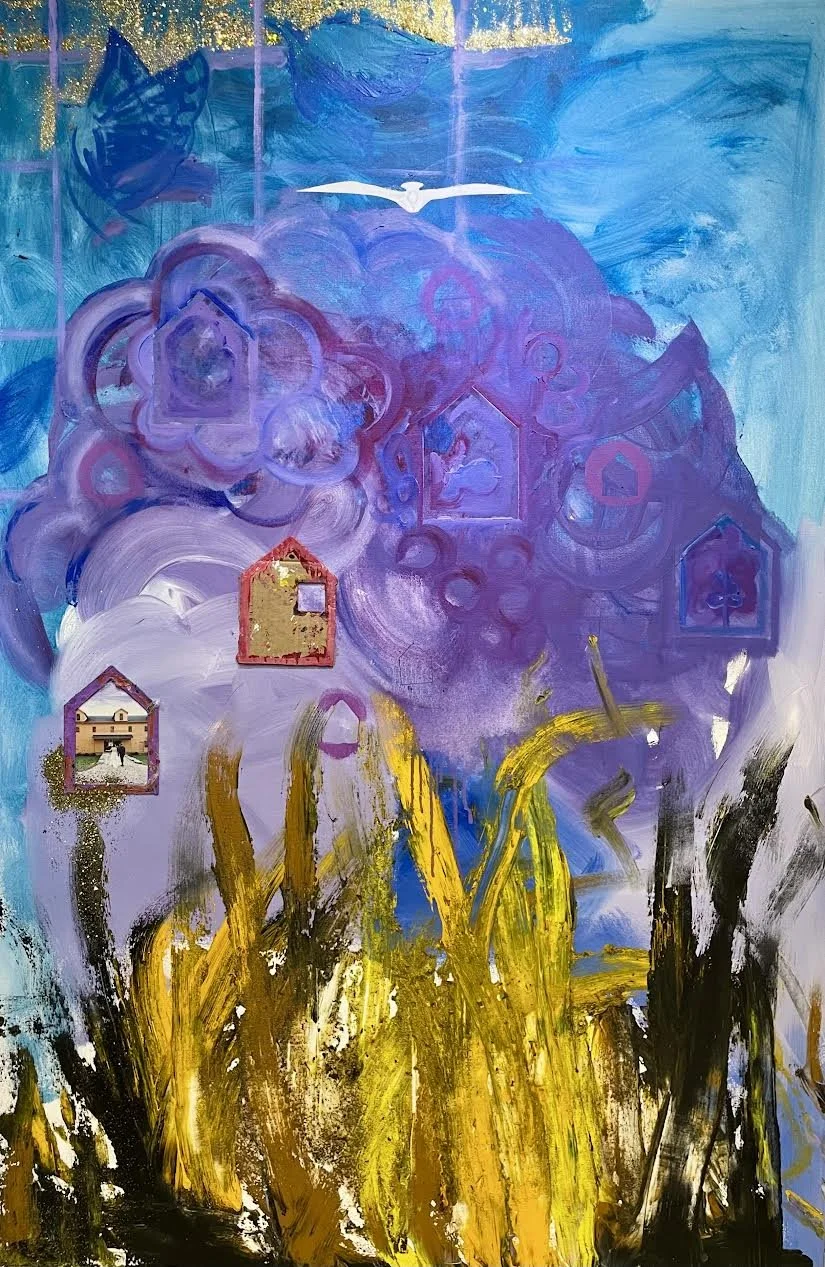
Piero's Dove over the Berkshires, Acrylic and mixed media on canvas, 72 x 48, 2025
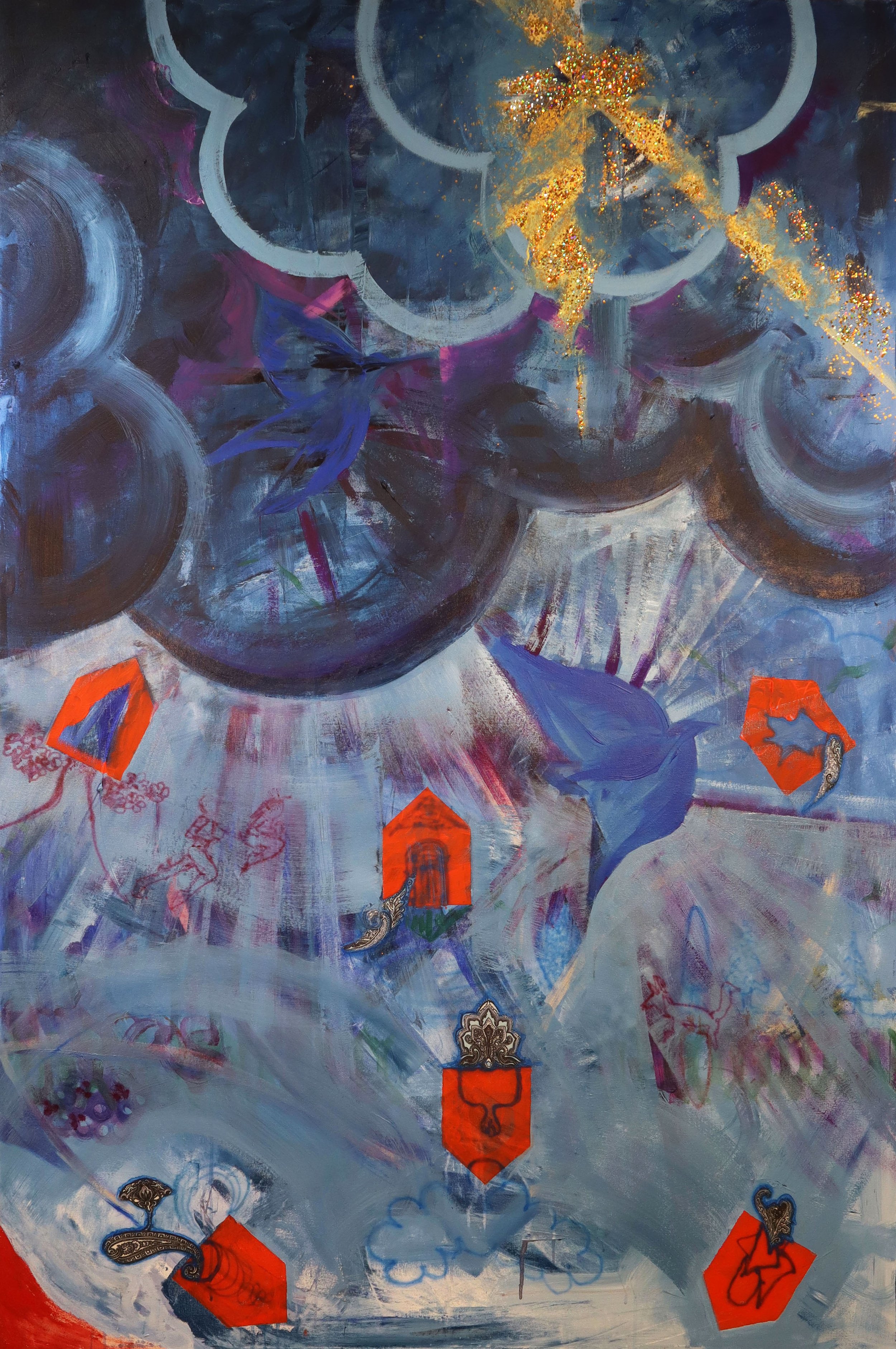
Ajna Acres, Acrylic and mixed media on canvas, 72 x 48, 2025
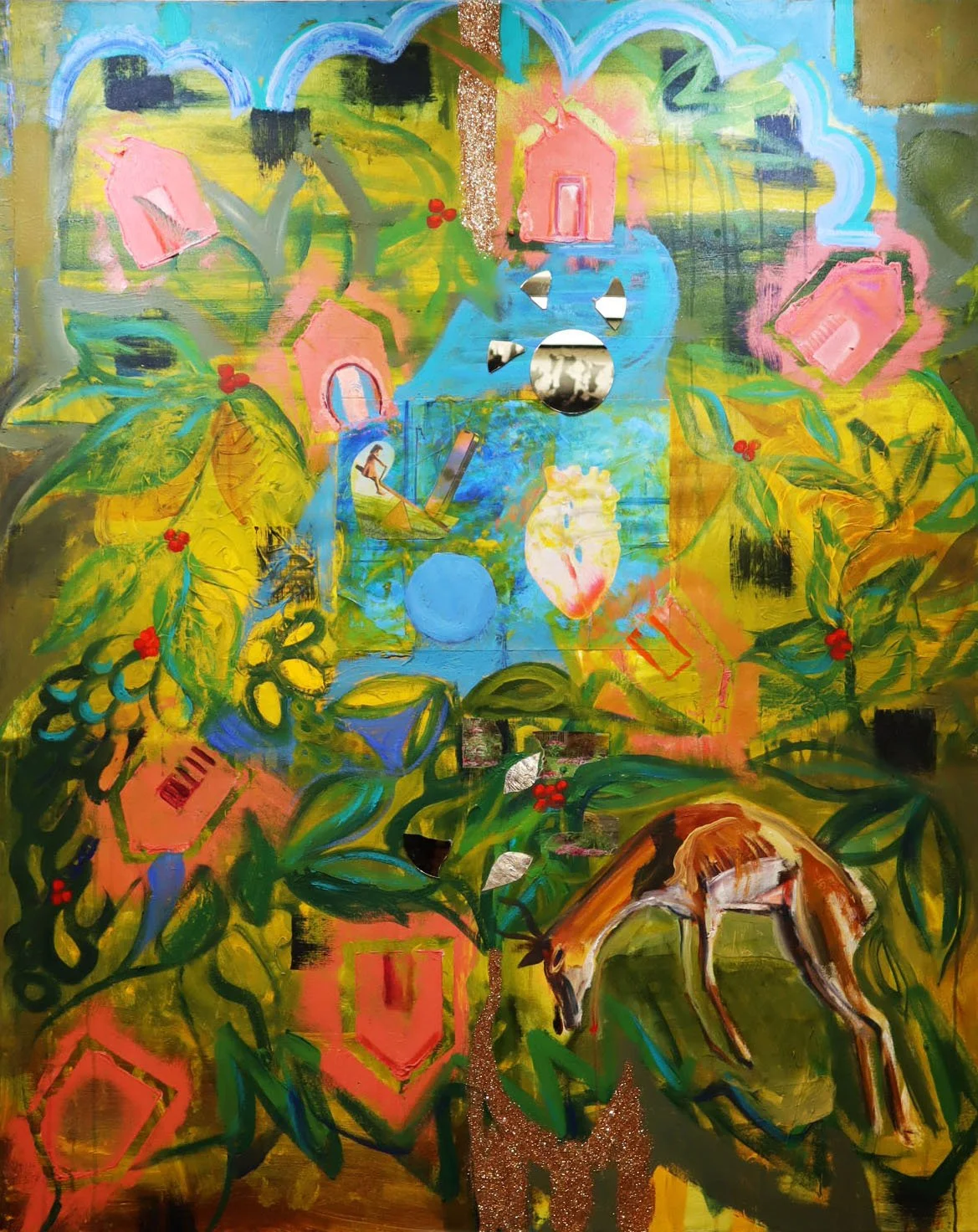
Anahata Houses, Acrylic and mixed media on canvas, 60 x 48, 2024
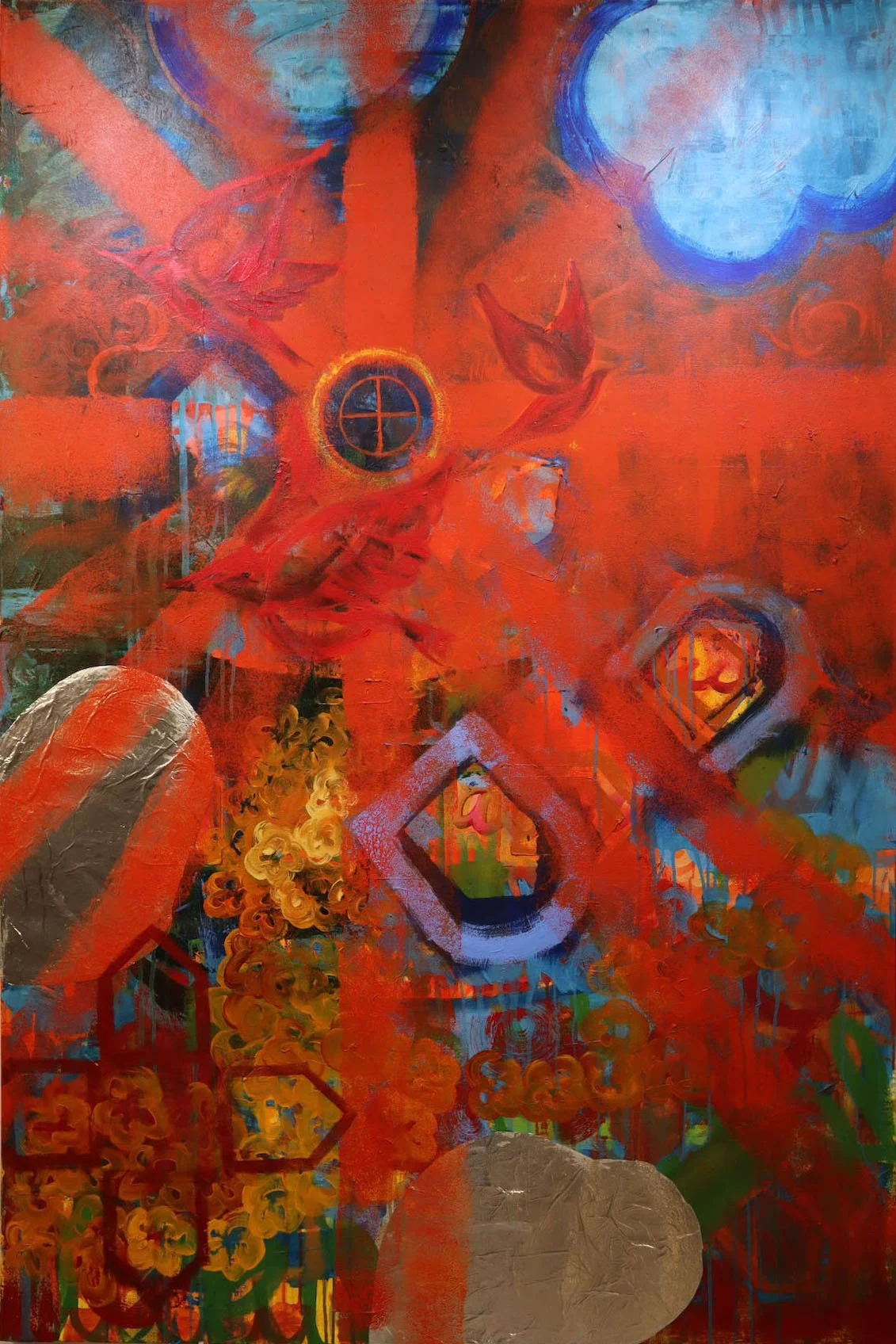
Swadhisthana Houses, acrylic and mixed media on canvas, 72 x 48, 2025